

We are a global primary producer boosting food security
With vast land, tropical and arid climates and proximity to international markets, the Northern Territory holds unique prospects for agricultural development and export. We have an established history of exporting quality, clean and safe foods, produced with sustainable water resources and arable land suitable for grazing and other agricultural development.
Our agriculture sector produces cattle, seafood, crocodiles, pearls, fruit, vegetables, cotton, timber, sorghum and other broadacre crops. Ongoing research and development has continued to focus on agricultural supply chains, sustainable production systems, high value horticulture, broadacre cropping and biosecurity.
In FY24, the agriculture, forestry and fishing industry contributed around A$1.4 billion to the economy, up by 10% from the previous year.
Northern Territory advantages
- Well-developed primary production sectors with established local and international markets, and strong economic outlooks.
- Proven track record in delivering clean and safe food products to global markets, particularly in Southeast Asia.
- Vast arable land suitable for grazing and agriculture with 220 pastoral leases across 602,000 km2 with good water resources.
- Ability to diversify land use on pastoral leases to grow high-quality cotton and utilise cotton seed by-product to enhance beef quality.
- Northern Australia is estimated to have between 500,000 to 700,000 hectares suitable for marine farming in earthen and lined ponds, and 50 times that for freshwater pond culture.
Current activities
- Beef cattle: Recent figures show 274,181 head of cattle were exported from the Northern Territory in 2024 compared with 184,597 in 2023 – an increase of 89,584 departing out of Darwin Port. The cattle industry is valued at AU$1.2 billion.
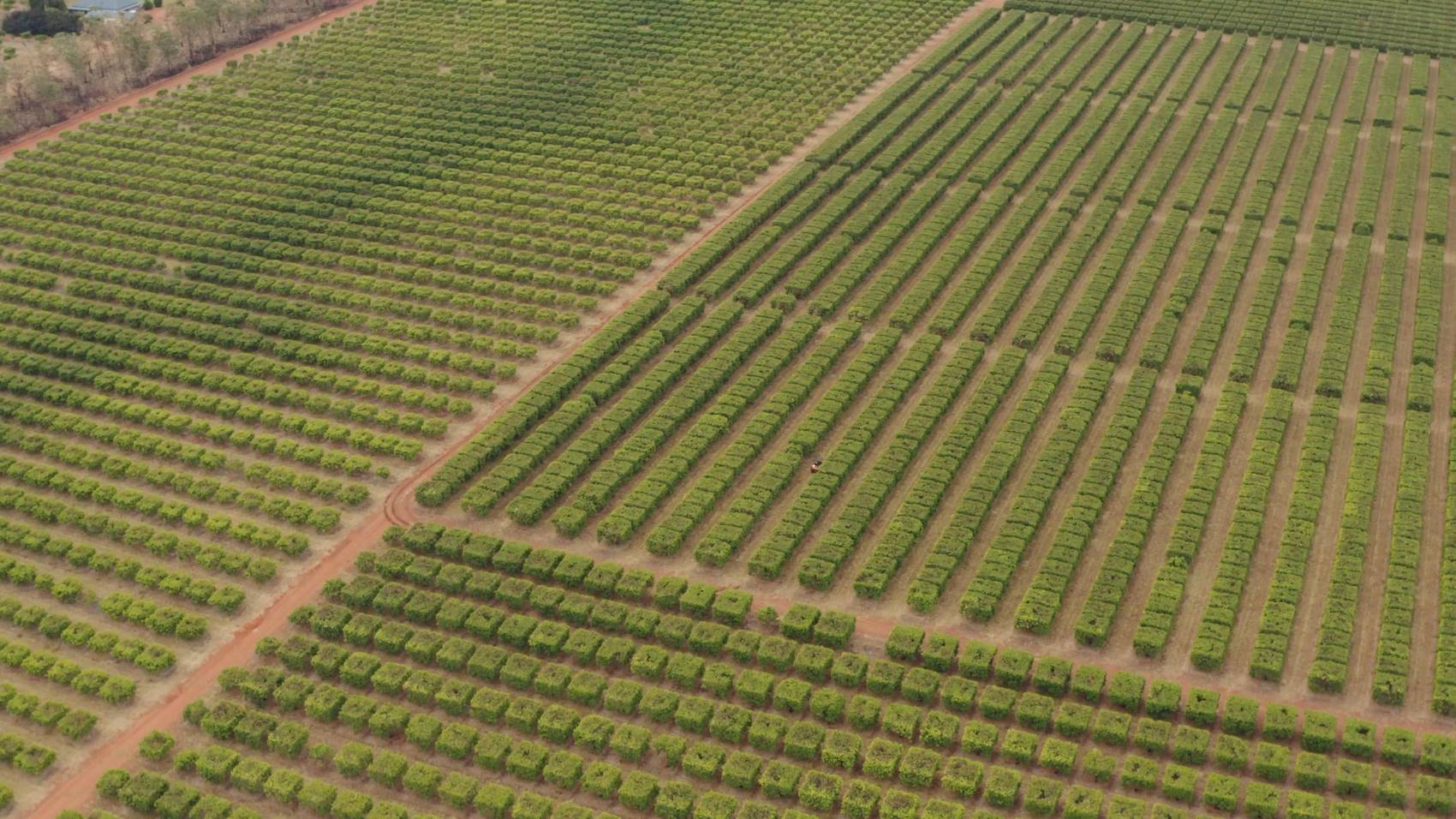
- Mangoes: As Australia’s largest producer, the Northern Territory generates AU$128 million in GVP and accounts for more than 50% of the national production, with over 4 million trays annually. Around AU$3.4 million worth of local mangoes were exported in 2024 to countries including New Zealand, Canada, United Arab Emirates, Singapore, and the United States.
- Melons: As the second-largest horticultural activity after mangoes in the Northern Territory, around 23% of the national supply was produced in 2023 at a value of AU$70 million. Current production includes watermelons, pumpkins, rockmelons and honeydew melons.
- Aquaculture: Driven primarily by barramundi fish and pearling, aquaculture production was valued at AU$77 million GVP in FY24.
- Crocodile farming: Australia accounts for 61% of the global trade in saltwater crocodile skins, with most being farmed and exported by the Northern Territory. Gross revenue reached AU$46 million in FY24.
- Cotton: This burgeoning industry generated AU$21.3 million GVP in FY22, although significant growth has since been recorded. Cotton is mainly grown on pastoral lands using wet season rainfall, and now processed locally at the Katherine Cotton Gin.
- Forestry: Around 42,000 hectares of forestry plantations exist across the Northern Territory, including on the Tiwi Islands, featuring African Mahogany, Sandalwood and Acacia, with a standing value of AU$115 million in FY24.
Opportunities
- Agriculture and aquaculture: The Northern Territory Government is proactively developing these sectors, including working with industry proponents and investors to identify new land, diversification opportunities, on-farm projects and pathways to market.
- Cattle: Diversification and intensification potential exists across established cattle properties, including opportunities for boxed beef to meet rising demand across Asia Pacific and the Middle East.
- Aquatic resources: Establishing partnership with industry and the community to drive First Nations participation, sustainability, best use and fair access to the Northern Territory’s aquatic resources.
- Cotton: Upstream and downstream supply chain opportunities as the export of high-quality cotton continues to increase.
- Research and capacity building: The government is promoting and enabling economic growth in industry partnerships through research, development and capacity building initiatives to support new and existing agriculture.
- Productivity: Developing initiatives to boost productivity, together with securing sustainable markets and enabling manufacturing for the Northern Territory’s produce across agriculture, aquaculture, horticulture, forestry, cattle and buffalo businesses.