

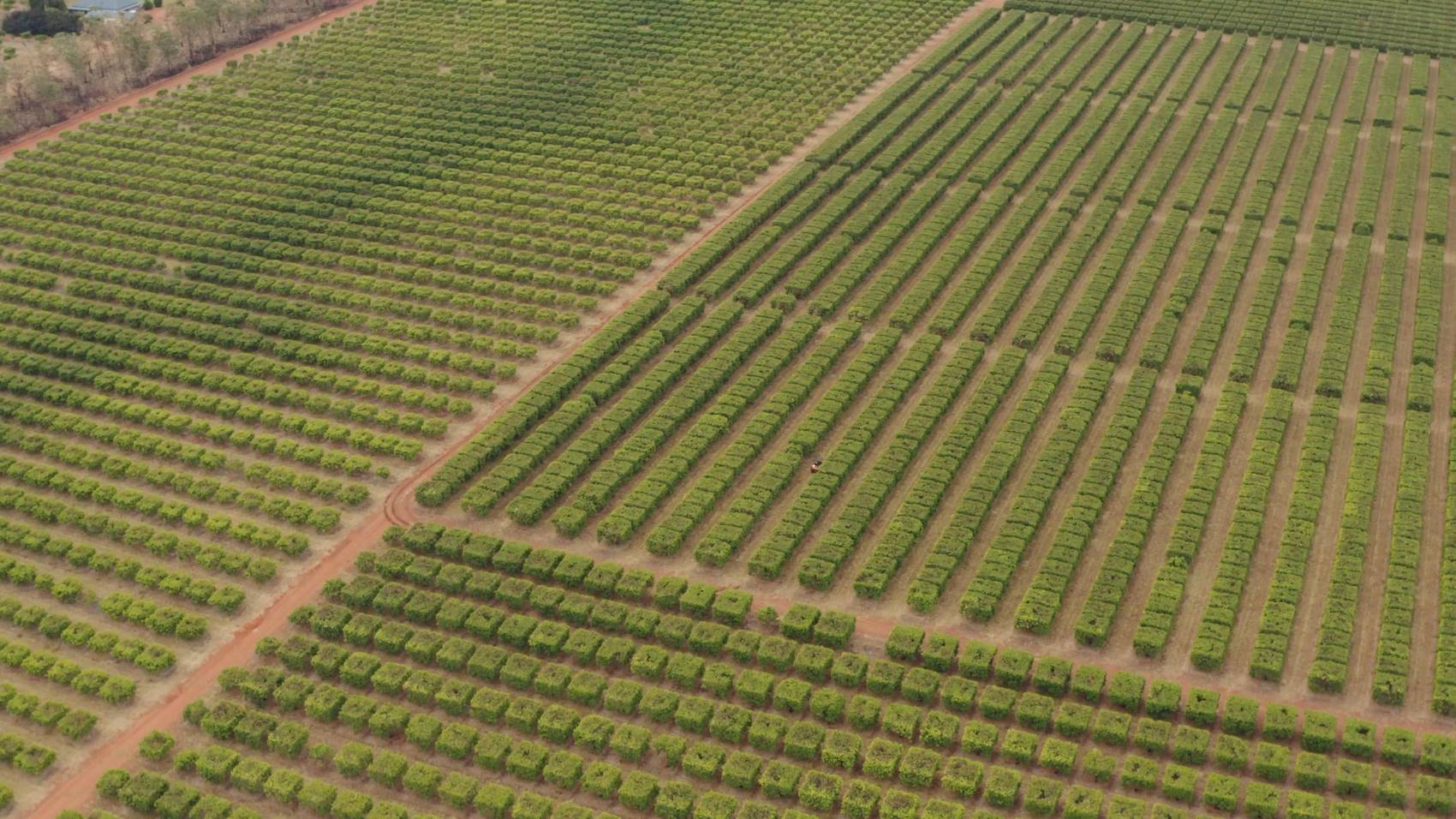
The Western Davenport region is located approximately 250km north of Alice Springs and is adjacent to the existing power network from Tennant Creek, the Stuart Highway and the Adelaide to Darwin Railway.
It is part of a 43,840-hectare area that has been identified as being suitable for a range of irrigated agricultural crops. The area includes a mix of pastoral leases and Aboriginal land. The Stuart Highway transport corridor runs through the centre of the region, providing access to the closest towns and markets.
Studies of the region found a variety of soils, including predominantly deep, aeolian derived, red earthy sands, sandy surfaced red earths and level sand plains, which are all suitable for a range of irrigated cropping uses. Also present are shallow stony soils, loose dune sands and areas subject to intermittent flooding, which are only suited to a limited range of crops.
The horticultural opportunity
Western Davenport region growers are already having commercial success with 3 main crops: watermelons, fodder and peanuts, as well as a variety of fresh vegetables grown mainly for local consumption.
Various crops have already been tested by producers, with some trials supported by the Northern Territory Government.
The soils and climate have potential for a wide range of crops to be successful.
There is a long history of the Northern Territory Government collaborating with private growers to establish plant industries in Central Australia. Many pioneering crop trials have taken place at the Arid Zone Research Institute in Alice Springs, which was established in the 1960s.
The Northern Territory Government has staff in Alice Springs, Katherine and Darwin, delivering industry-focused research to support development of horticultural prospects into profitable commercial opportunities.
The team continues to support growers to improve farming practices and water efficiency and expand production for new varieties.
Targeted extension services are also offered to facilitate continuous improvement in production quantity and quality to meet expanding market options for growers, and to grow the Territory’s agricultural industries.
Agricultural development area
The Western Davenport region is linked by rail and road to the rest of the Northern Territory and Australia. It is well situated in relation to climate, water availability and soil quality, making it a prime area for irrigated crops.
Plant Industries
Commercially tested opportunities
Watermelons, fodder, peanuts and fresh vegetables for local consumption.
Trialled opportunities
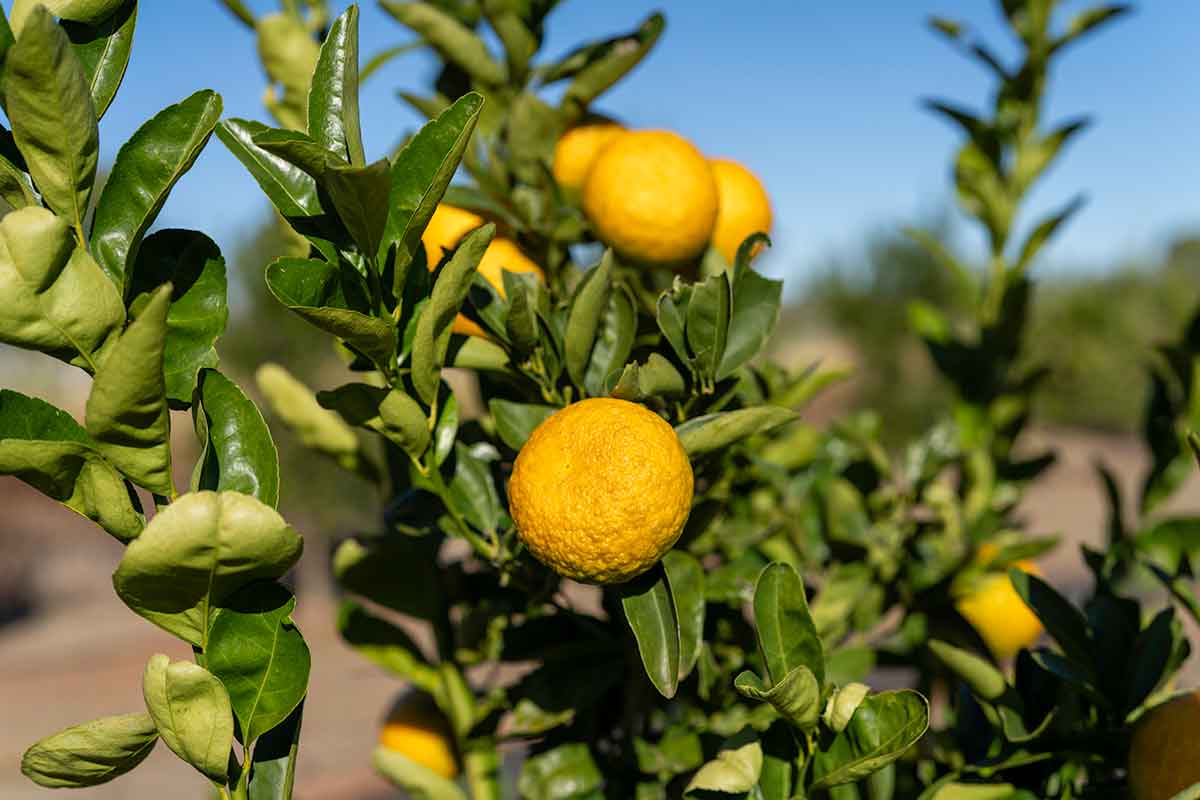
Various melon varieties, citrus, mangoes, onions, garlic, table grapes, dried grapes, Chinese dates (jujube), avocados, aloe vera, artichokes, agave, low chill stone fruit, low chill pistachio nuts, moringa, pomegranates, dried pulses, fresh legumes, including snow peas and sugar snaps, carrots, quinoa, sunflowers and other winter vegetables.
Livestock Industries
Established opportunities
Livestock production, transport routes and supply chain, pastoral property development.
Trialled opportunities
Pastoral land diversification.
- Investment type: varied
- Status: greenfield
- Region: Barkly region, Northern Territory, Australia
Get the Western Davenport region agricultural development investment opportunity flyer PDF (465.8 KB).